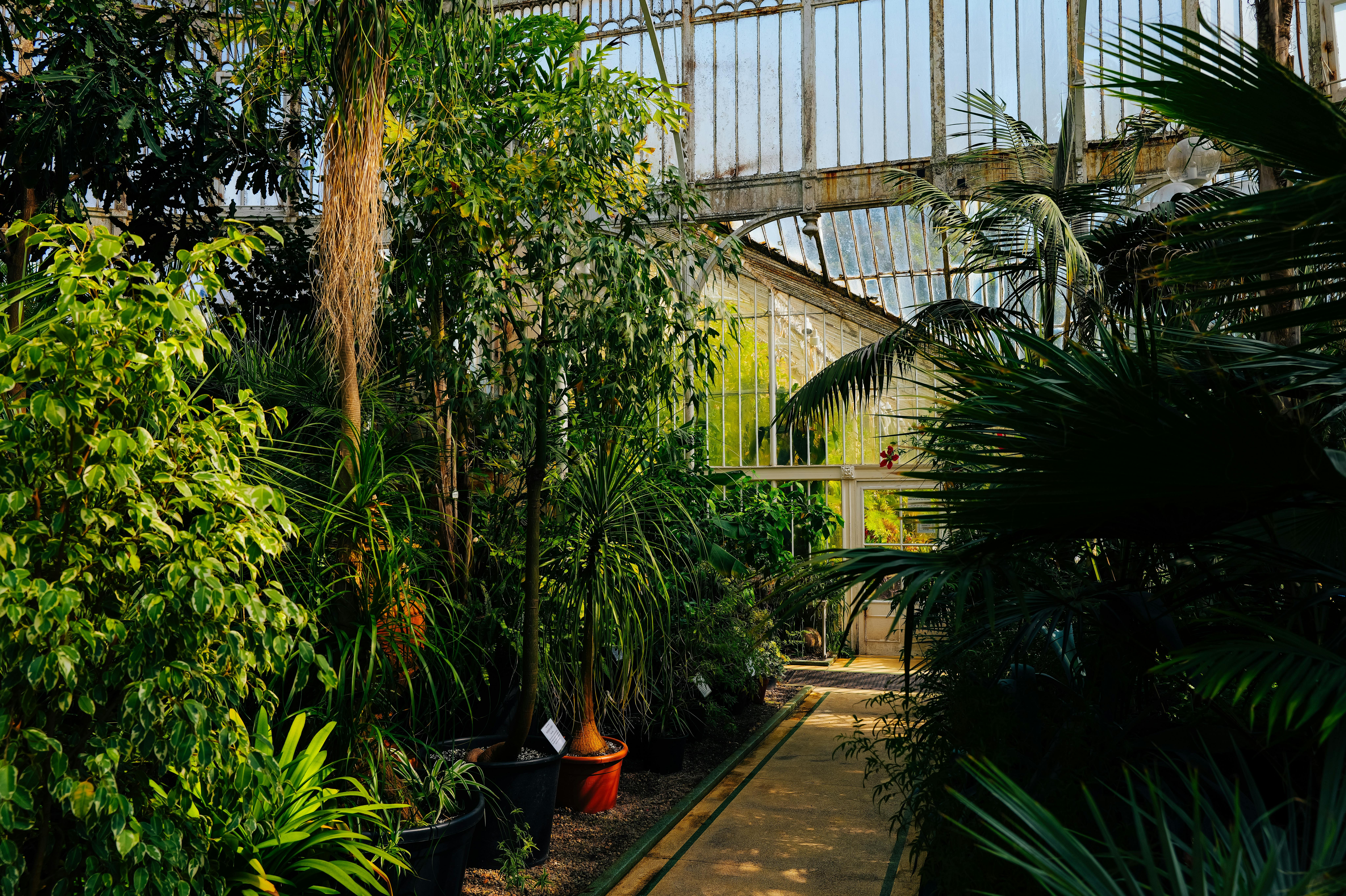
Walk into any home improvement store and you'll see them: rows of identical care tags, generic advice that treats a succulent like a fern, watering schedules that ignore your actual environment.
What if someone told you that the brown tips on your fiddle leaf fig aren't a death sentence? That the yellow leaves on your pothos are actually trying to tell you something specific?
Plants communicate constantly. Most of us just haven't learned their language yet.
Every month, thousands of Australian households repeat the same cycle. Buy a beautiful plant. Follow generic care instructions. Watch it slowly decline. Replace it with another.
The issue isn't your ability to care for plants. It's the absence of personalized guidance that accounts for your specific light conditions, humidity levels, and daily rhythms.
Plants don't fail. Systems do.
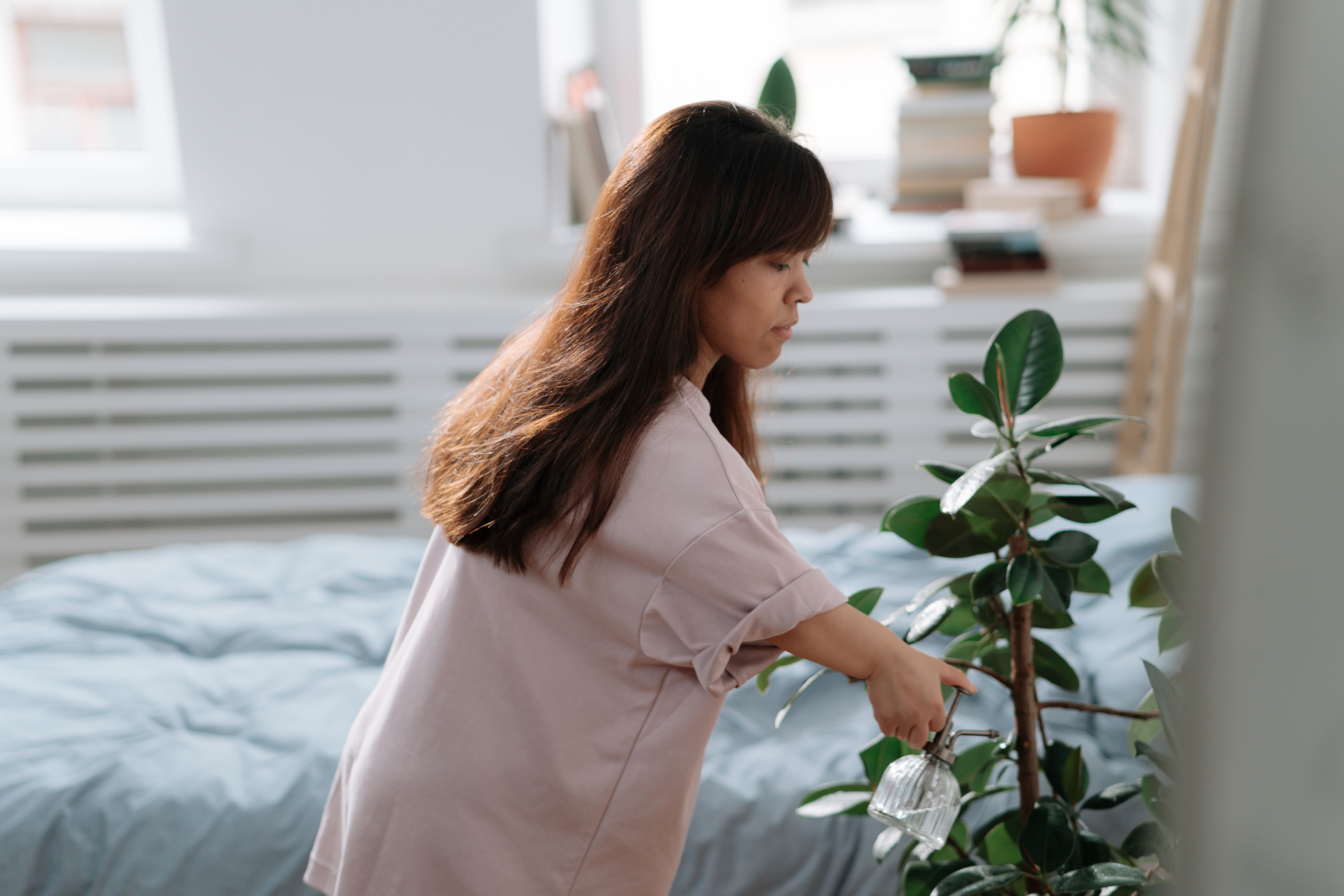
Three years ago, interior designer Emma Chen noticed something peculiar. Her clients would invest thousands in furniture, art, and lighting, but their indoor plants always looked the same: struggling.
She began documenting which species thrived in specific Australian homes. Not just general climate zones, but actual room orientations, window types, and household routines.
The patterns were unmistakable. A monstera that flourished in a Brisbane apartment would wither in the same conditions in Melbourne. Not because of the city, but because of fourteen other micro-factors that conventional advice ignored.
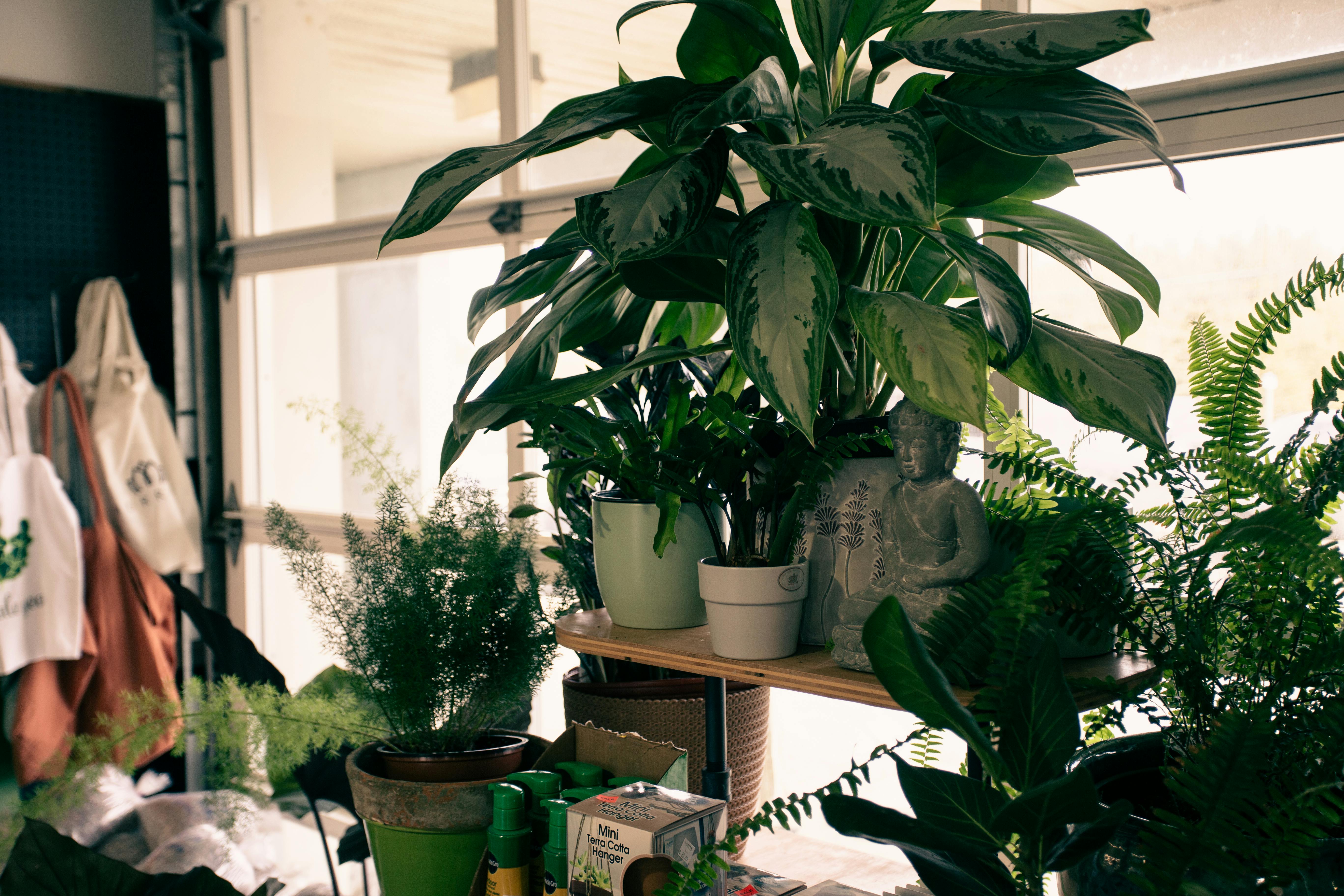
We evaluate your actual environment, not theoretical conditions. Light meter readings, humidity tracking, and space analysis create a custom care framework.
Each plant family has distinct needs. Our guidance reflects the biological reality of what you're growing, matched to your lifestyle patterns.
Seasonal changes affect indoor environments dramatically. We adjust recommendations as your conditions shift throughout the year.
"I'd killed three fiddle leaf figs before working with Deft Sparrow. Now I understand exactly why they were struggling. My fourth one has grown 30cm in five months and produced new leaves weekly. The difference is education, not magic."
— Rebecca H., Sydney
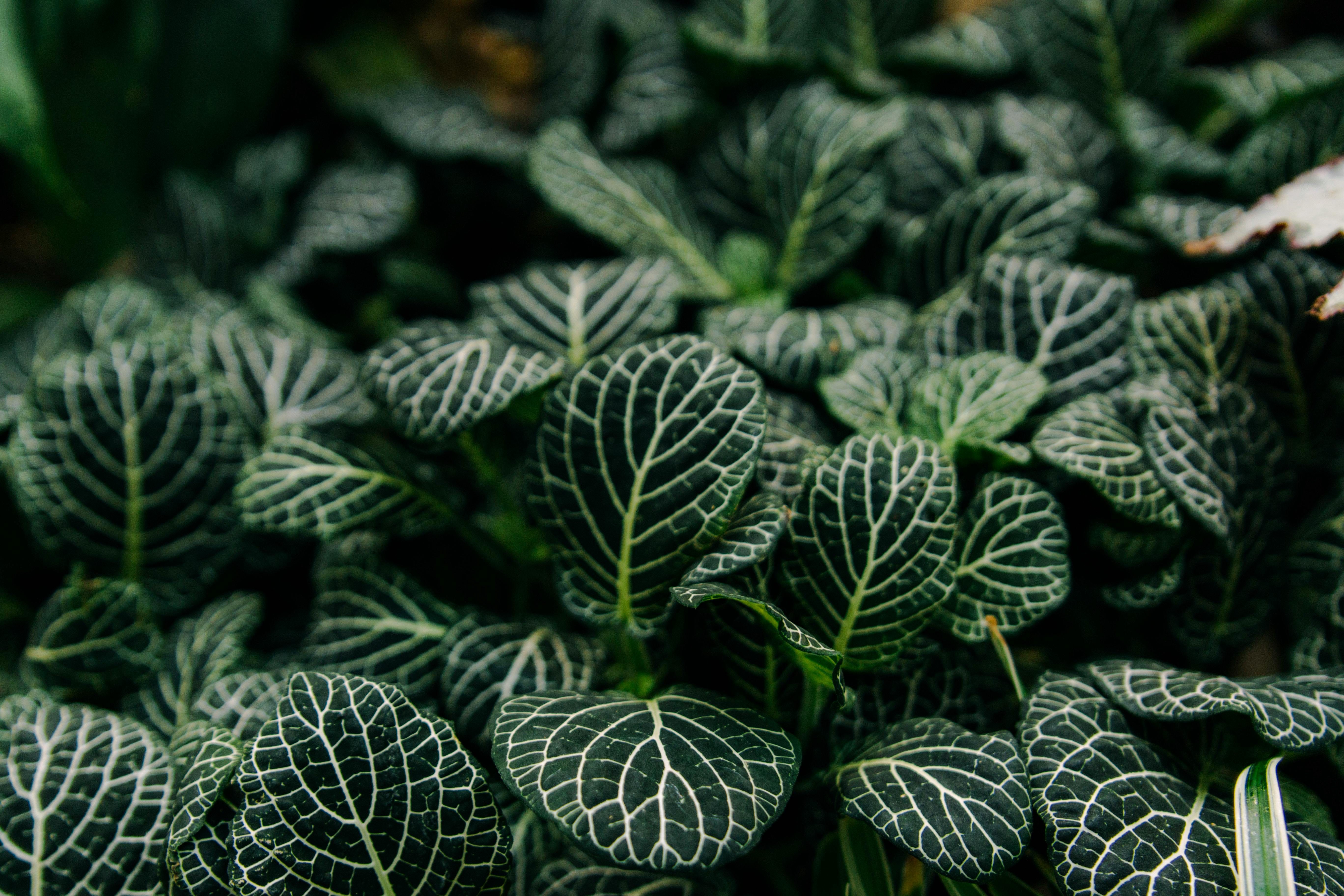
New leaves, stronger stems, and richer color appear when plants receive what they actually need rather than generic care.
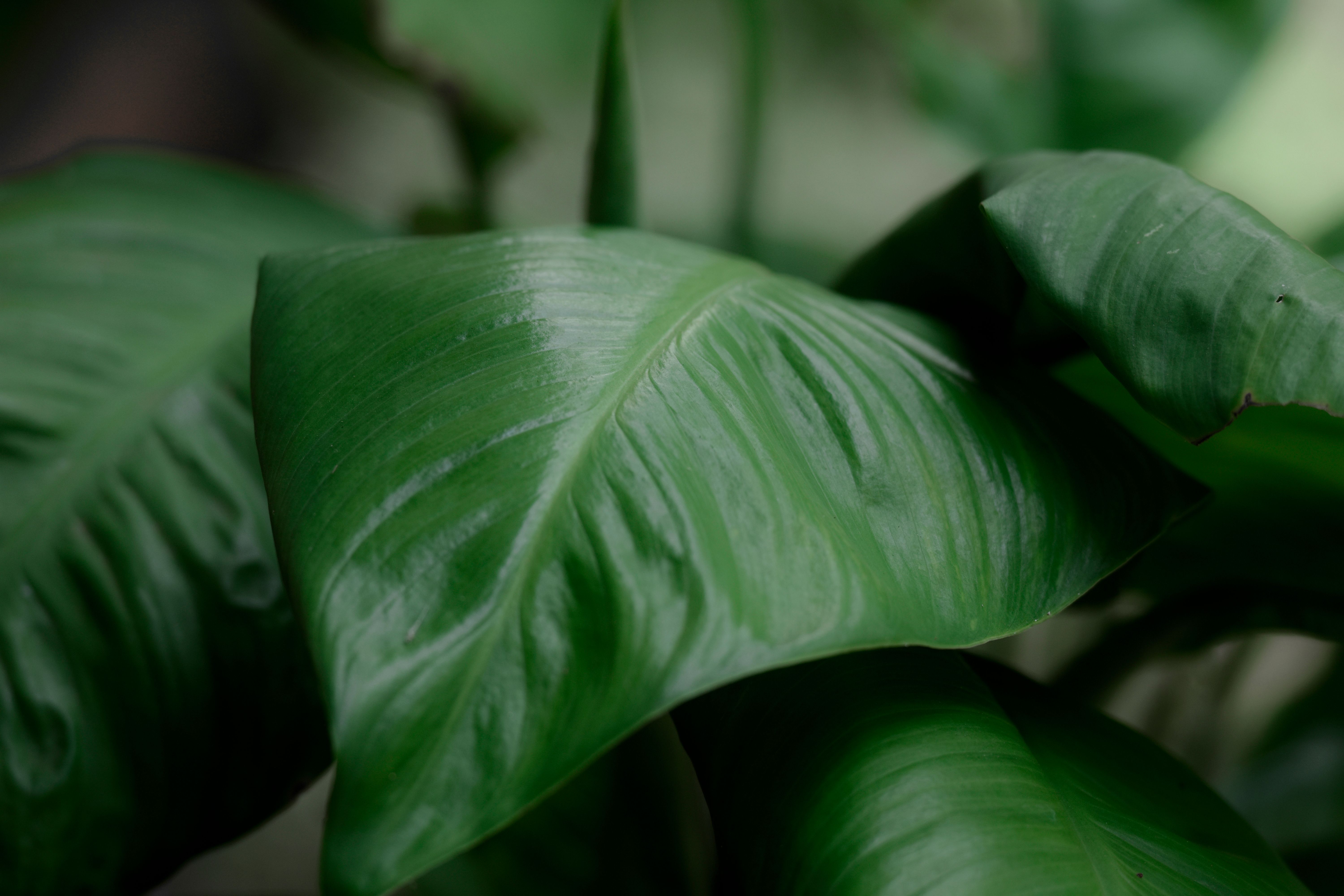
Understanding early warning signs prevents crisis situations. Small adjustments maintain health rather than attempting rescues.
Once you decode the patterns, adding new species becomes straightforward. Your collection grows with your knowledge.
Our methods draw from horticultural research and botanical science, not trends. Key principles include phototropic response optimization [1], substrate moisture dynamics [2], and atmospheric humidity management for tropical species [3].
These aren't abstract concepts. They translate directly into actionable adjustments you can implement immediately in your space.
Each option provides personalized guidance tailored to your specific environment and plant collection.
Fill in your details below. We'll contact you within 24 hours to schedule your personalized assessment.
Your plants are already trying to communicate with you. We simply help you understand what they're saying.